Italy and Wine

When you think of a good wine, often the first thing you think about is an Italian wine. Wine and Italy go hand in hand, with a good amount of the tourist industry in Italy surrounding around wine, wine tastings, and wine tours. Wine has been in Italy for over 4,000 years. Back in the Roman days, wine was consumed more than water, due to wine being safer to drink than the water that was available. The wine that was available was nothing like the wine that is produced today. Back then, it had higher percentage of water and quite a low percentage of alcohol. In fact, the wines that are so often praised now would be quite disgusting to the Romans.

One of the reasons that wine from Italy is so praised is due to the guidelines that are in place in terms of production and labeling of wine. Italian wine laws are very complex and in the 1960s a series of laws were passed to control wine quality and labeling. These laws influence the specific geographical areas grapes can be grown in, what grapes can be used, aging requirements, along with some other quality controls. All 20 regions in Italy produce wine, the most popular/highest producing regions are Veneto, Apulia, Sicily, and Emilia-Romagna. Here is a link to a site that details how to read Italian wine labels, this can help you to understand more about the wine and how it came to be made.
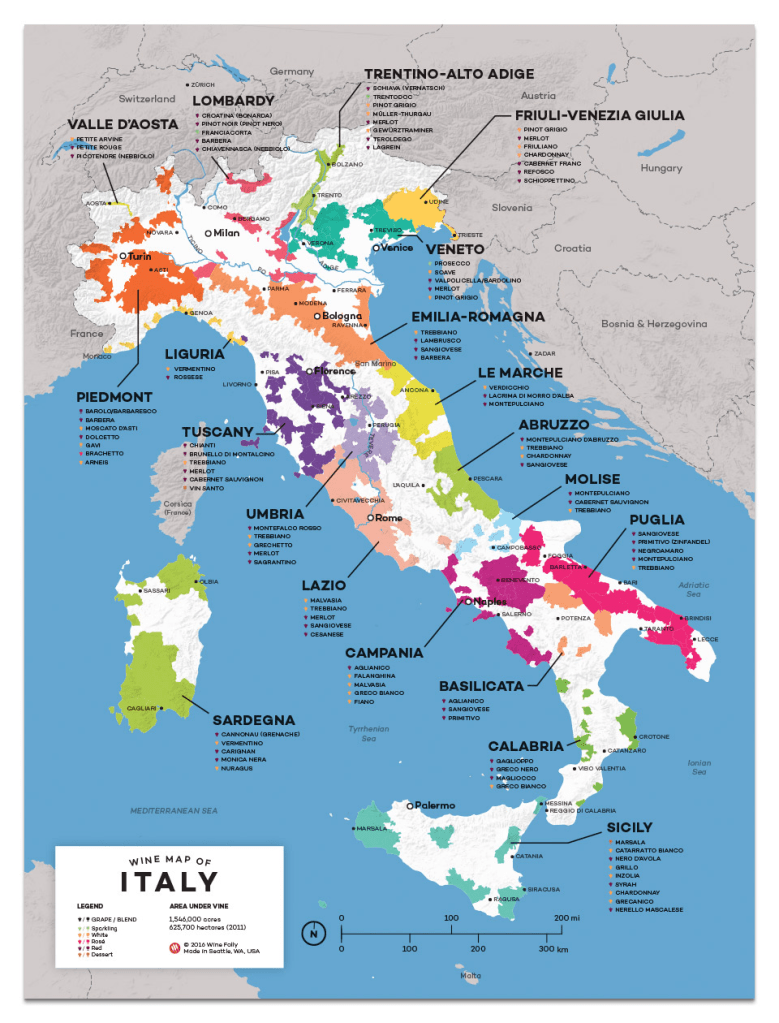
Map of the different regions in Italy and the types of wine they produce.

One of the major differences between Italy and America with wine culture, is the appreciation and the reasoning behind drinking. In Italy wine is drank not for the purpose to get drunk but to enhance the experience one is having. Most commonly Italians will drink red wine as it pairs the best with the different types of food they are eating. America did not start producing wine until 1562, when French settlers started growing grapes. Due to the different growing conditions compared to that in Europe it took many years and different varieties of grapes to produce something that was enjoyable.
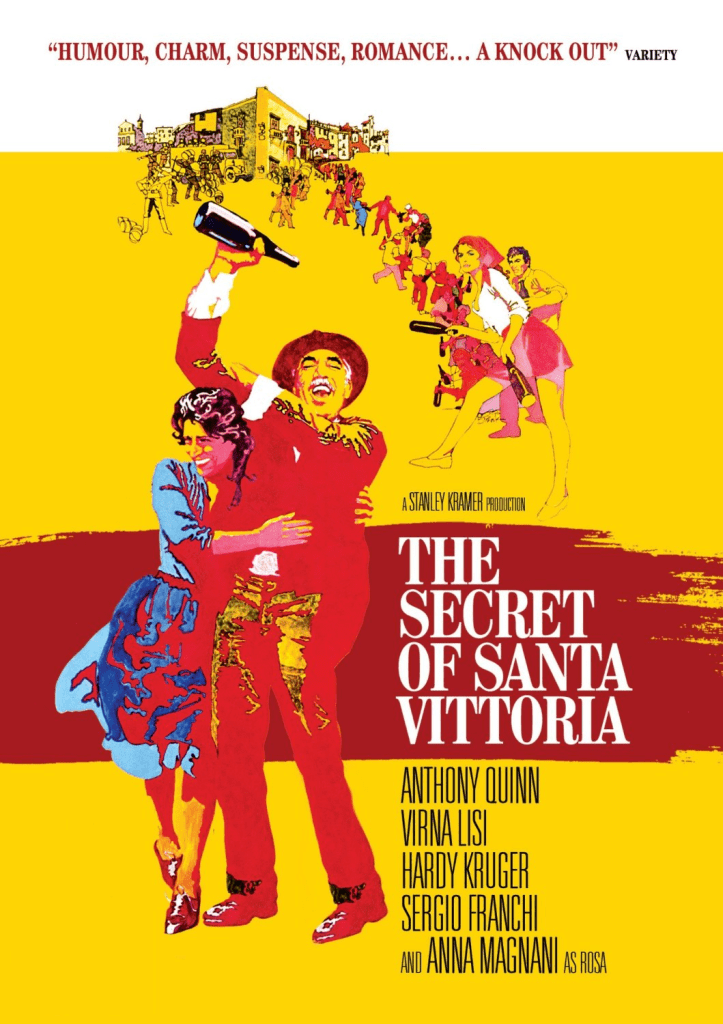
Movie poster for The Secret of Santa Vittoria.

Wine is a very popular subject for pop culture and entertainment. Many different movies and TV shows use wine and wineries within the storyline whether through background shots, the setting, or even the storyline itself. One movie that I found called The Secret of Santa Vittoria which was released in 1969 uses wine as a major plot point. The movie follows a small Italian town with world renowned vineyards and wine, as they hide their wine from Nazi troops coming in and demanding to take all of the products for themselves. Here is a link to the trailer if you want to check it out.

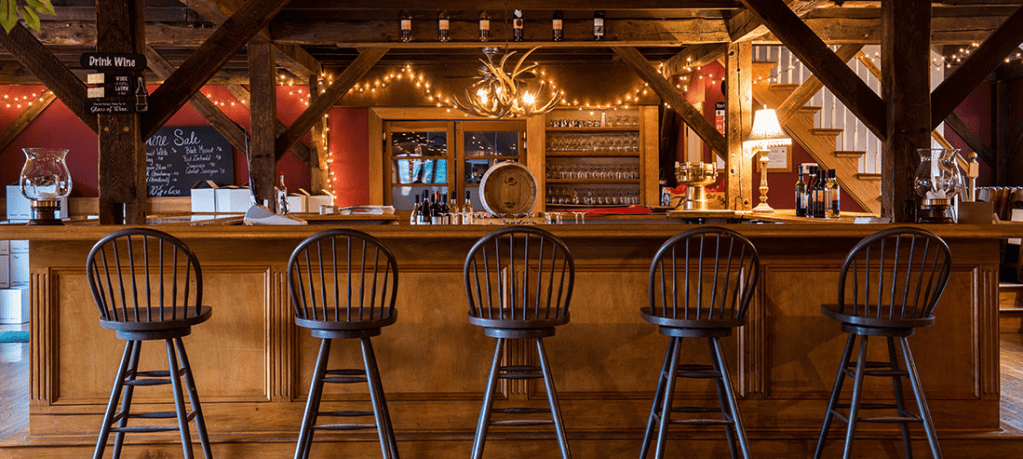
Summit Winery

For our class this week, we all chose a local winery close to us to focus on and learn more about. I chose Summit Winery, which is located in Westmoreland, NH. The winery is owned and operated by Darren and Judy Horn, who are very knowledgeable on the wines they have, and are said to be great hosts during wine tastings. Summit Winery is listed as one of the top-rated wineries to visit/try based in New England.

Inside of the Summit Winery.

The winery sits on 80 acres of land right off RT 12, about 5 miles from Keene (12-minute drive). The building acts as the tasting room. It originally served as a tobacco room, before turning into a gift shop, then restaurant before becoming the winery.

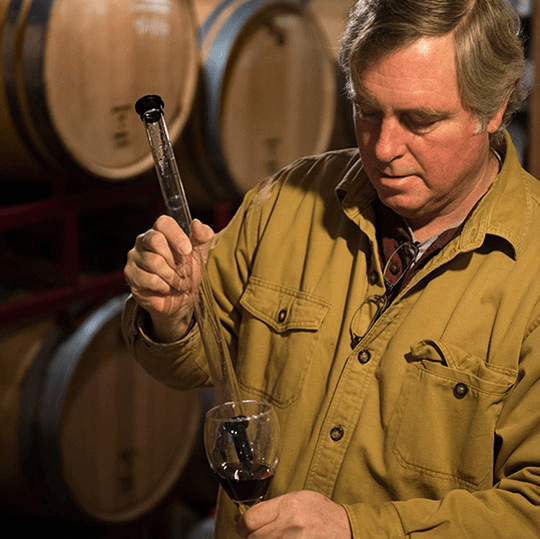
Photo of David Horn, one of the owners.

The website has an interview with David the owner explaining how he got started in making wine. As a teenager he became very interested in fermentation. In order to get a better understanding and to try his hand at the process he took a jug of Welch’s grape juice, a packet of yeast, and dumped them in a 5-gallon jug which he let sit in his basement for a couple of days waiting for the reaction. He was left with a container that was overflowing due to the reaction that ensued. Due to this, he started to do a lot more research on making different fruit wines by reading whatever material he could get his hands on. In his 30’s he became more serious about the process and purchased Vinifera grapes and upgraded to a larger container to practice making wine. He continued to study and eventually started to perfect his craft leading him to open the winery in Westmoreland.

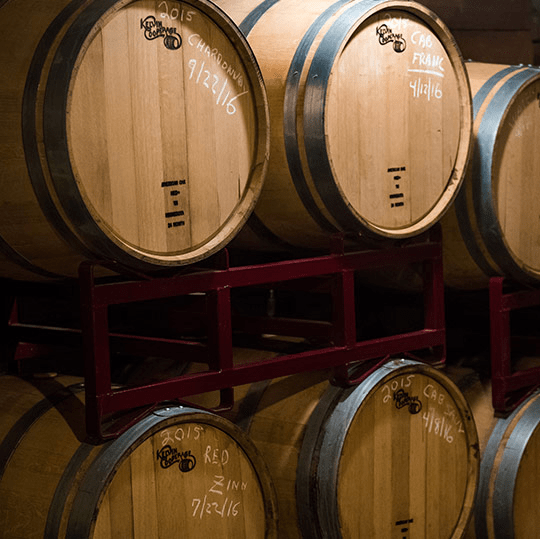
The Winery makes the wine in the building in Westmoreland. It all starts with them shipping in grapes from all around the US and the world. The website states that they want to start to grow and use grapes produced at the winery. The most challenging aspect is dealing with the intense climate which makes it hard to grow grapes. Once the grapes are shipped in, they are pressed and left in barrels to age the proper amount of time.

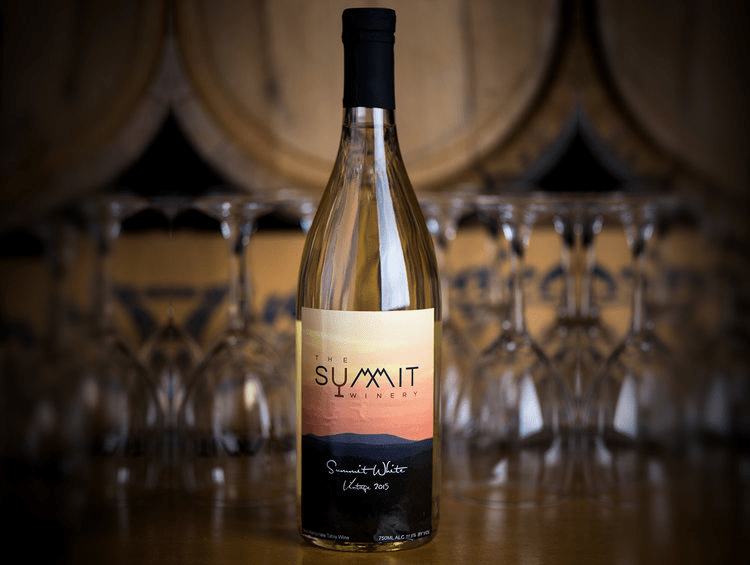
The Summit White Wine, retails for $18 per bottle. Semi-sweet blend, with slightly effervescent notes of citrus, white grapes, and honey.

Summit Winery listed 9 different types of wines on their website that they produce all of them falling in the $16-$20 per bottle. The wines they produce are: Sauvignon Blanc, Un-Oaked Chardonnay, Oaked Chardonnay, The Summit White, Riesling, Sangiovese, Cabernet Franc, Red Zinfandel, and Cabernet Sauvignon. Each year it seems as though they are making more wines, the website just does not have them listed.

The winery is a family run local boutique, and they believe that the attention to detail is what is most important in making a good wine. The low cost of the wine sampling makes it an easy and affordable activity to do in the area. You also are able to host events at the winery. Their philosophy is that you should have the world of good wine in your local winery, meaning you should get the best of both worlds sourcing grapes from around the country/world.

Wine barrels inside their building.

After learning more about the winery, I am definitely intrigued and wanting to go and participate in a tasting there. I think it would be very interesting to talk to the owners/workers and gain more knowledge on their process of making wine, as well as learn more about how the winery came to be. For now with everything closed, I can at least purchase a bottle or two the next time I am at a local grocery store.

Here is a link to their site if you want to learn more about them!

Amarone Wine

Hi!

Today I am going to be writing about Amarone Wine, for my latest class my classmates and I all chose a wine from Italy to learn about.

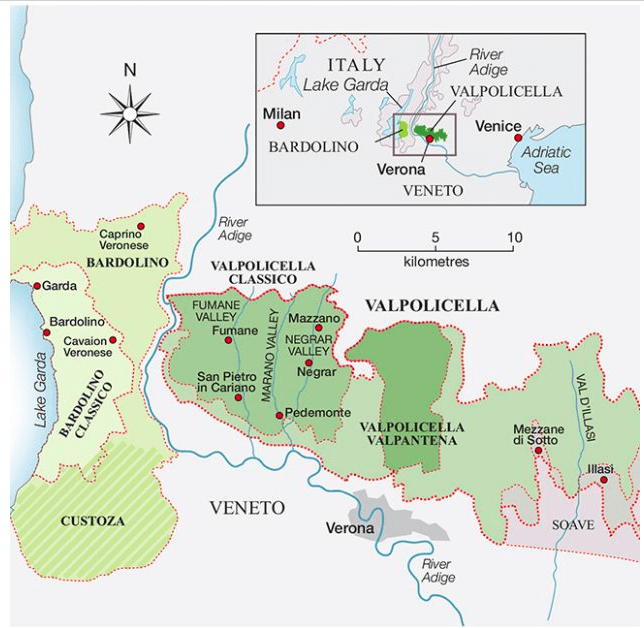
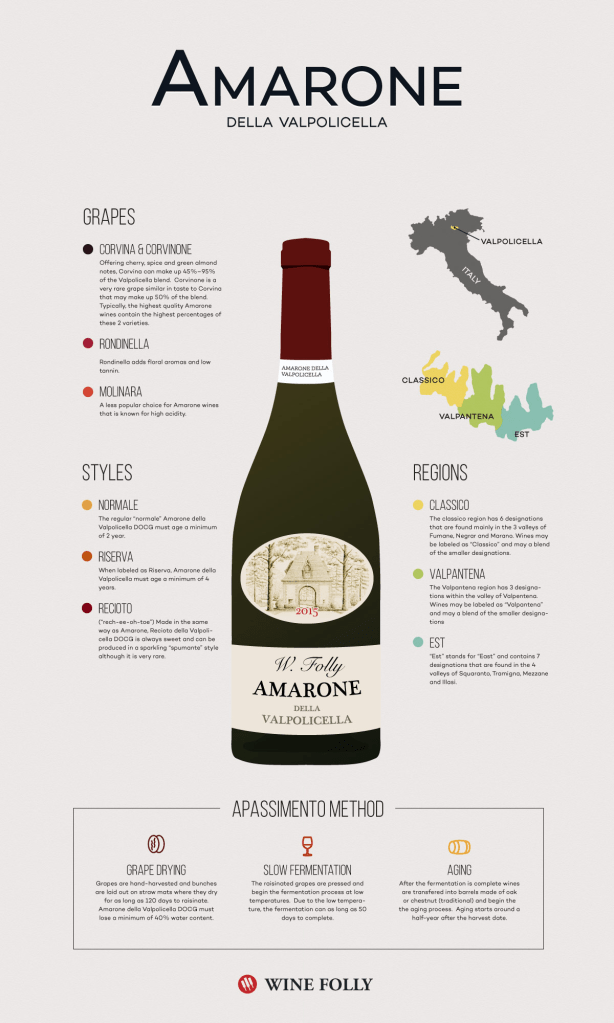
Amarone wine has the official name of Amarone della Valpolicella. The wine is fairly expensive due to the process of making the wine being more technical. To start with the wine originates in the Valpolicello area of Veneto in Northeastern Italy. Veneto is close to Venice. There are three styles of wine that is made Normale (which has a DOCG and has a minimum aging of 2 years), Riserva (must age for a minimum of 4 years), and Recito (sweet style, follows DOCG).

Map showing the region the wine is grown in

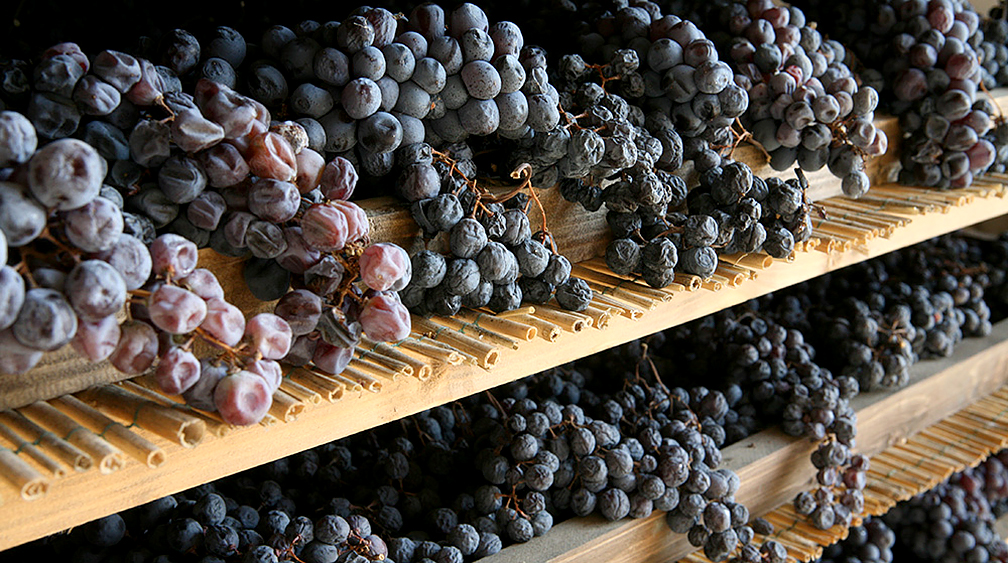
The process of making Amarone wine is very unique compared to the typical way of making wine. There are three types of grapes used to make the wine Corvina/Corvinone, Rodinella, and Molilnara. The Corvina/Corvinone grape primarily makes up the wine. Wineries will select older, more mature vines and the grapes are picked later in the season to ensure ripeness. The soil the grapes are grown in is located on clay hills and has calcareous layers. After they are hand harvested, they are laid on straw mats to dry for 120 days. DOCG guidelines require that 40% of the water content to be gone. The drying process results in an intense concentration/very high sugar content, greater than 15% alcohol. Next the fermentation is a slow process. The grapes now resembling raisins are pressed at a low temperature for at least 50 days. Next, the wine is transferred to barrels made of oak or chestnut. The aging process starts around a half-year of the harvest date.

Grapes drying over the winter

The wine was registered as a DOC in 1968, this made it known to people that the wine was a recognized as a quality Italian wine. In 2010 Amarone became a DOCG which essentially is the same as the DOC except that it guarantees the quality to be the same universally in terms of harvesting and production of the wine. The DOCG is the highest designation among Italian wines.

The wine has two times the amount of fruit within the bottle compared to a traditional bottle. Due to the drying process of the grapes, the slow fermentation, and long term aging the price point for a bottle is quite high. The average price point is between $75-$100.

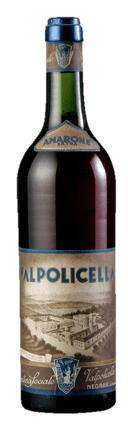
Bottle of Amarone

The wine itself has a bold aroma of cherry liqueur, black fig, carob, cinnamon, and plum sauce. The subtle notes are green peppercorn, chocolate, and crushed gravel dust. Amarone pairs well with steaks, stews, ribs, and big flavored cheese. The wine has a medium-plus to high acidity balanced with high alcohol and flavors of black cherry, brown sugar, and chocolate. The older the wine the more it offers flavors of brown sugar, molasses and fig.

Profile of Amarone wine from:
winefolly.com/deep-dive/amarone-wine-turns-raisins-into-gold/

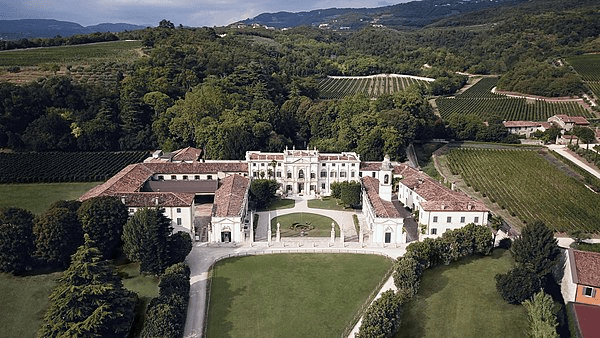
A winery I focused on that produces the wine is Villa Mosconi Bertani. It is located in municipality of Negrar, Localita Novare, and is owned by Gaetano Bertani. The villa was constructed with the purpose of wine making since the 18th century. There is a historical cellar with cold cement and oak vats and some winemaking instruments from 1800s and early 1900s.

Overview of Villa Mosconi Bertani

This wine is one of the most famous and appreciated not only in Italy but worldwide. In 1953 the production of the wine started on a regular basis after a barrel was found in a cellar in 1936 at the winery I mentioned earlier. The photo of the wine bottle earlier in the article is said to contain the wine found in the barrel. While the wine itself is pretty expensive it is one of the wines that almost everyone should try at least once in their life. It is a popular wine to get on your wedding day to drink on an anniversary down the line.

Here is a link to an article that goes into detail about the history of the wine and talks about the different versions and more information is given on the flavors and the production. I am also linking to a site that has an easier to follow guide to the wine along with some graphics to get a better understanding of where it is from and the makeup of the wine.

Olive Oil and Olives in the Kitchen

Hi!

Today I am going to be writing about the use of olive oil and olives in the kitchen.

Olive Oil in the Kitchen

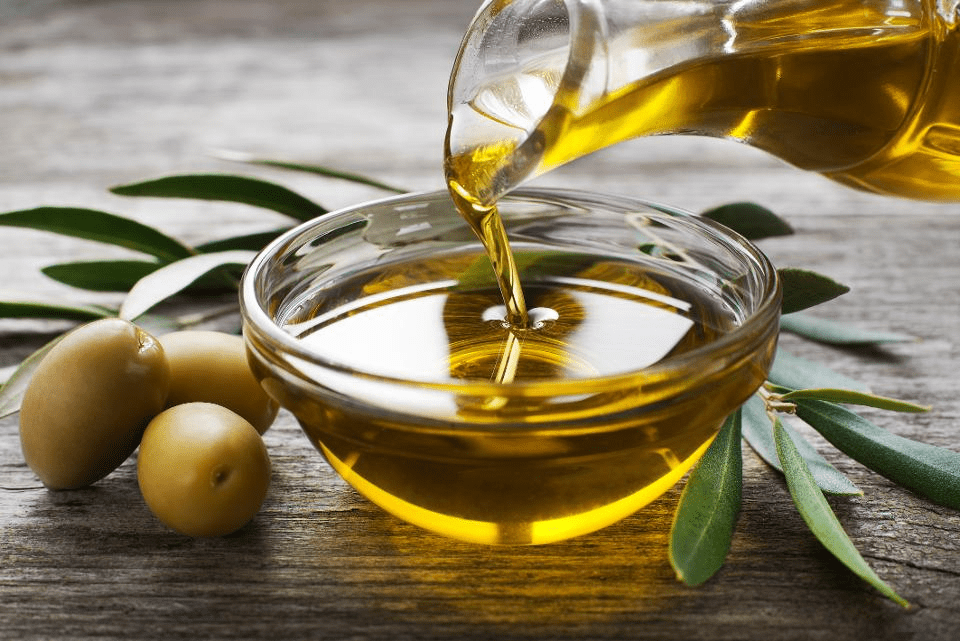
Olive oil is a kitchen staple. One of the most important things to have on hand when working in a kitchen is oil, specifically having extra virgin olive oil. Olive oil has numerous health benefits making it much more ideal to reach for, along with having a distinct taste and smell which can highly benefit dishes. It is important to only buy extra virgin olive oil as it is known to not contain any extras and has not been refined. Here are some tips on buying a good oil and properly storing it.

The four enemies of olive oil are: light, temperature, harvest date, and oxygen.

Look for the oil to have been made cold pressed. This means that the olives were harvested and then pressed in a cold environment ensuring that flavors are not lost, and the olive broken down due to any heat being involved.

Look at the use by and the harvest day listed on the bottle. This will ensure that you are using oil within the proper timeframe and you are able to see when the oil was created, as oil unlike wine does not get better the longer you have it. In fact, it is advised to use oil within a year of purchasing. Having a fresh oil will allow you to get the best flavor that comes from the olive.

You want to ensure that you are keeping your oil in a cool, dry, and dark location. Oxygen can affect how the oil is setting and make it turn. To avoid this, it is important to have a bottle that is properly sealed, and one that either is a darker bottle color or kept in a darker space.

One of the reasons olive oil is so essential in every kitchen is due to how versatile it is, as it can be used from appetizers to desserts and almost everything in between. Olive oil can be used in cooking and as a condiment/dressing. When cooking with olive oil it is better to add later in the cooking process as it will allow the flavor to be richer.

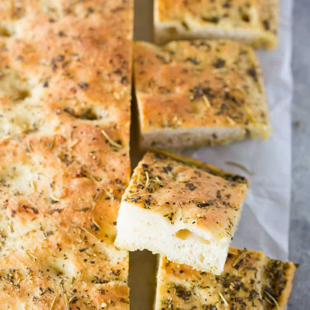
When it comes to using olive oil as a dressing/condiment it is advised to get a higher quality oil when you are consuming it just as is. This is to make sure that you are having something that allows you to actually taste the flavor and have some quality behind it. Some popular recipes that involve olive oil as a foundation to the flavor are focaccia, and spaghetti aglio e olio (spaghetti with garlic and olive oil) among many others. Olive oil is the starting point of almost all recipes.

Olives in the Kitchen

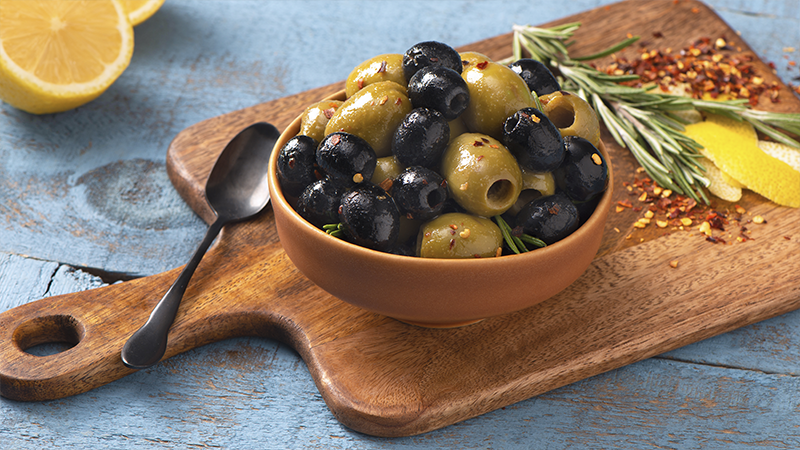
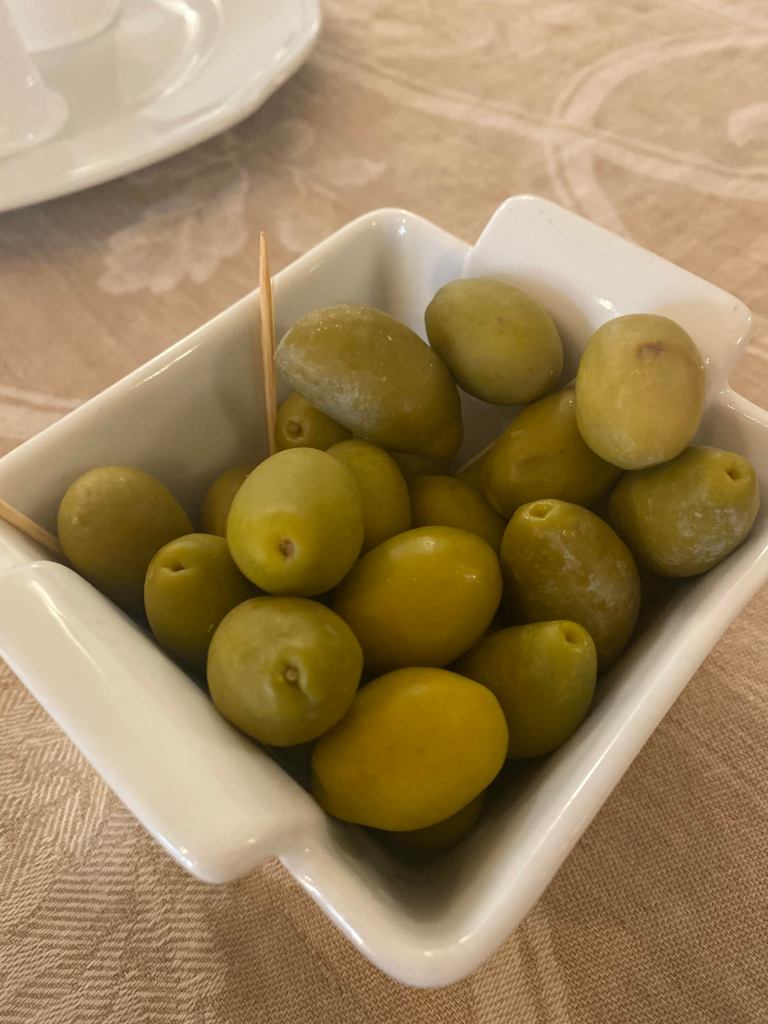
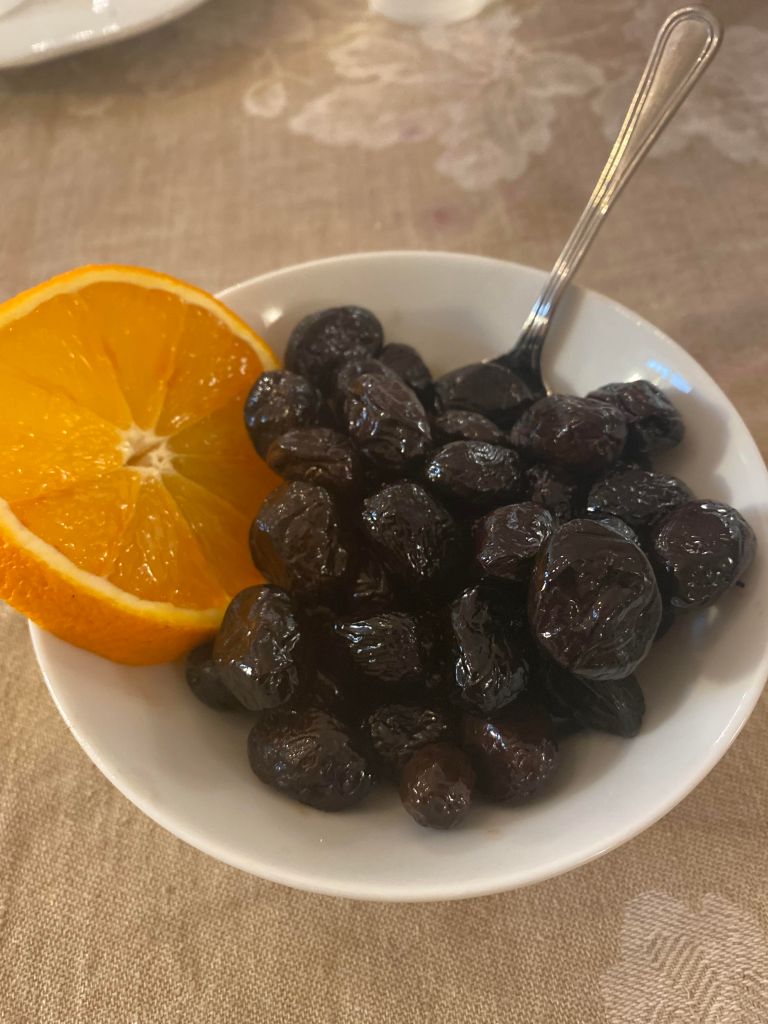
Whole olives are a staple in almost all Italian kitchens. It is said that Italians are able to use olives to their full potential unlike Americans who mostly use olives as a topper on dishes like nachos and pizza. Olives are very versatile and are able to be used in every style of food as they can offer a nice complement/enhancer to different flavors.

Olives are one of the only foods you do not find fresh in the store. To make olives edible you have to remove oleuropein which is the part of the olive that makes it have a disgusting and very bitter taste. In order to get olives to the point that they are actually digestible they have to be soaked in water or fermented in a salty brine. These two processes usually take many weeks, so they have made a chemical process using sodium hydroxide that speeds up the time, so it only takes a week.

When looking for olives in the supermarket there are a couple locations they can be found. The first is usually by the deli section where they will have olives that are marinated, the second is canned olives which may be by the condiments or by canned vegetables. They can also sometimes be found in the international food area. Eating olives has numerous health benefits including lowering cholesterol and blood pressure, along with being rich with different vitamins and minerals such as vitamin E, iron, copper, and more.

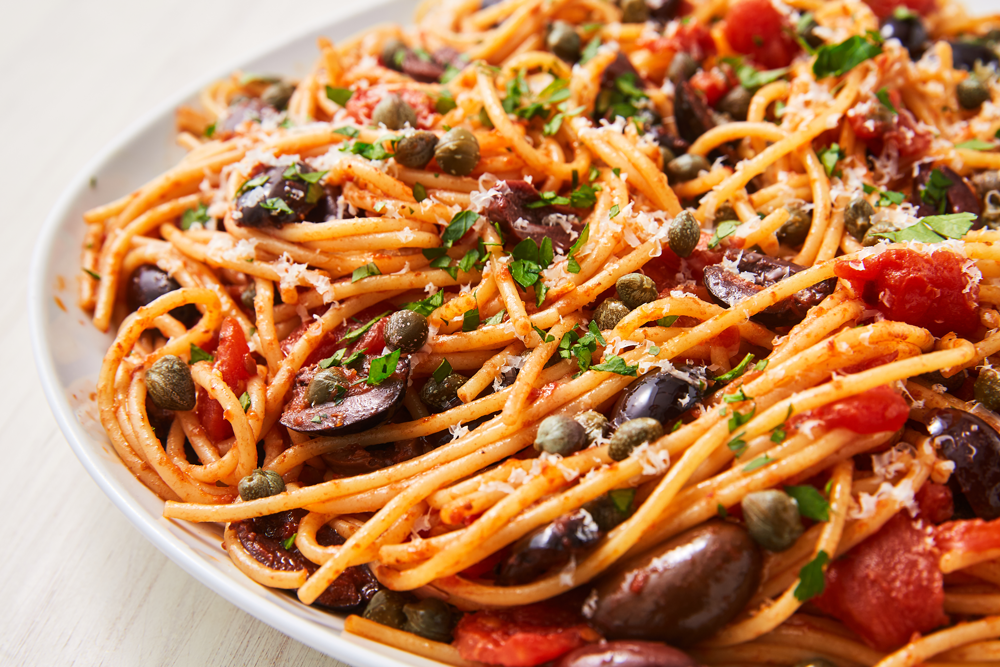
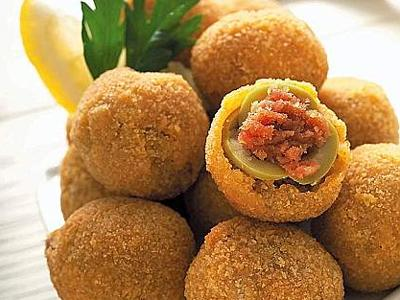
There are many different recipes that involve olives a popular dish is called Pasta Puttanesea, it contains olive oil, garlic, anchovies, diced tomatoes, kalamarta olives, capers, and red pepper flakes. The dish is very rich and hearty while containing very simple ingredients. A popular dish specific to the region I had been staying in Italy is Olive Ascolane which are fried green olives stuffed with minced meats and spices. They make a vegetarian version and I enjoyed it when we were in Italy. You can find many different recipes involving olives from breads to desserts.

Here is a link to an article that lists the nutrition facts and benefits from consuming olives which can be helpful to know! Here is a link to a site that details the manufacturing and processing of olives from the tree to what something edible. Hopefully you were able to learn a little about olives and olive oil

Ciao!

Italian Holiday Pasta Recipes

Holidays for Italians house a lot of good food, time with family, and many traditions. Some of the most celebrated holidays in Italy are Easter, Ferragosto, Christmas, and New Years Eve. Ferragosto is celebrated on August 15th, it is a public holiday and people are given the day off. The celebration dates back to 18 BC when the Emperor Augustus created a holiday where there would be horse races and large feasts as a break from the long weeks working in agriculture.

Due to almost all of the holidays falling in different seasons the food that is made is different and composes different ingredients based on what is available.

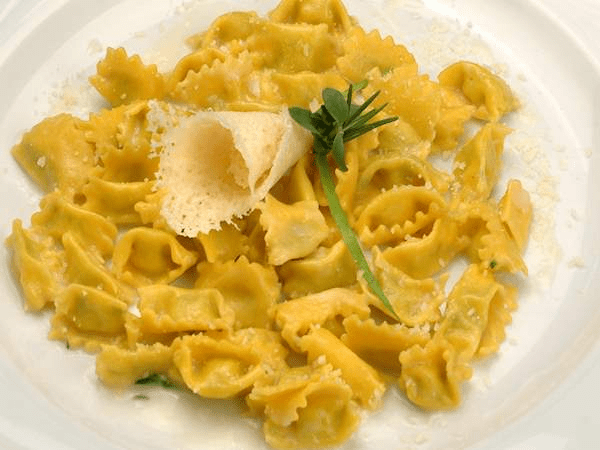
Agnolotti del Plin

For Easter, a lot of the main traditional courses involve lamb. There is also a lot of different desserts and sweet breads made. In Northern Italy the dish Agnolotti del Plin will be made to accompany the meal. The pasta is stuffed with beef and cabbage and is served with a cheese and butter sauce over the top. Easter lunch will typically see a pasta in broth or meatballs as one of the main dishes.

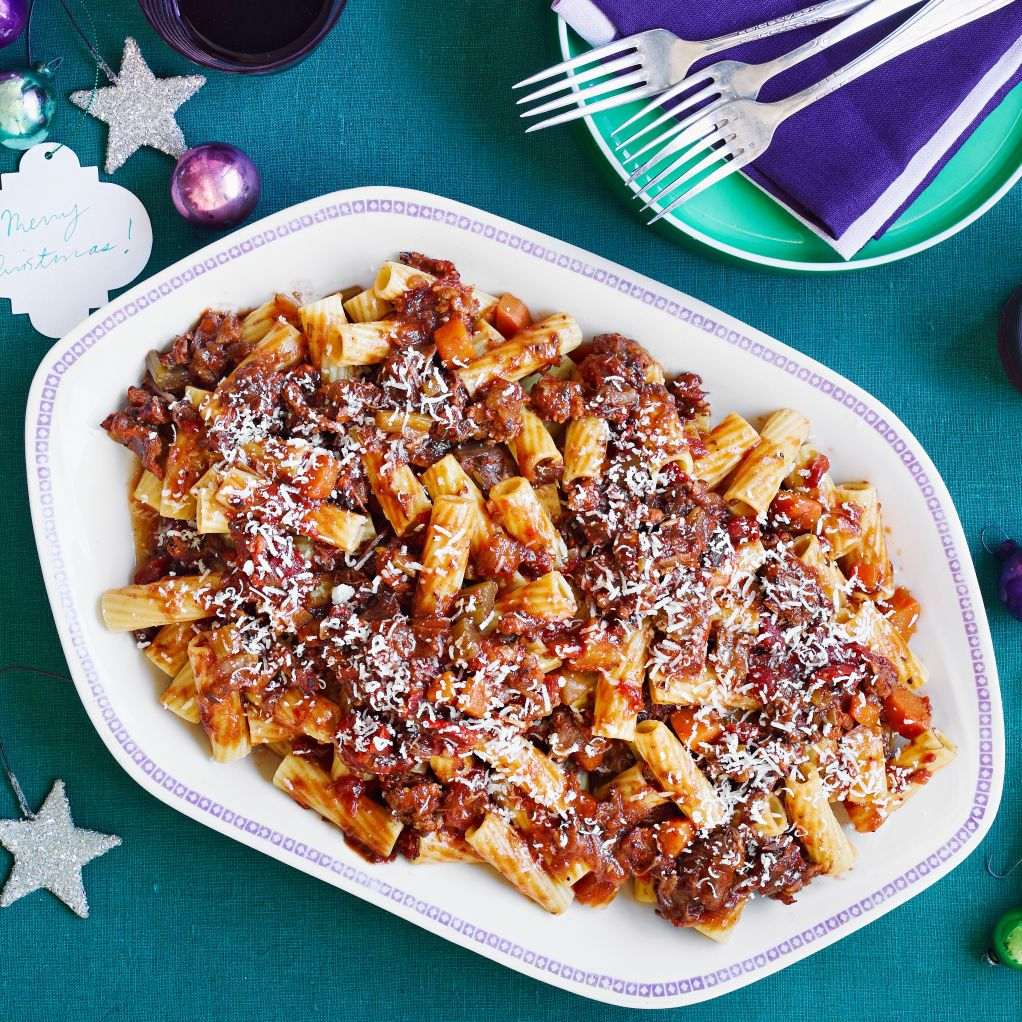
Example of a traditional Christmas pasta

For Christmas Eve the meal will be composed of fish as a lot of other types of meat is not typically served. A lot of meatless dishes are also the main contributors to the meal with gnocchi and stuffed pasta being popular in the north, Veneto serves a buckwheat pasta in a creamy anchovy sauce. For Christmas day the main meal will be the Christmas dinner which can be hours long. This meal will be meat-based and have a wide range of options available. For Southern and Central Italy a baked pasta would be served, while Northern Italy has Lasagne Bolognese and filled pasta like manicotti and ravioli. Here is a recipe to a Christmas pasta that is made in some parts of Italy.

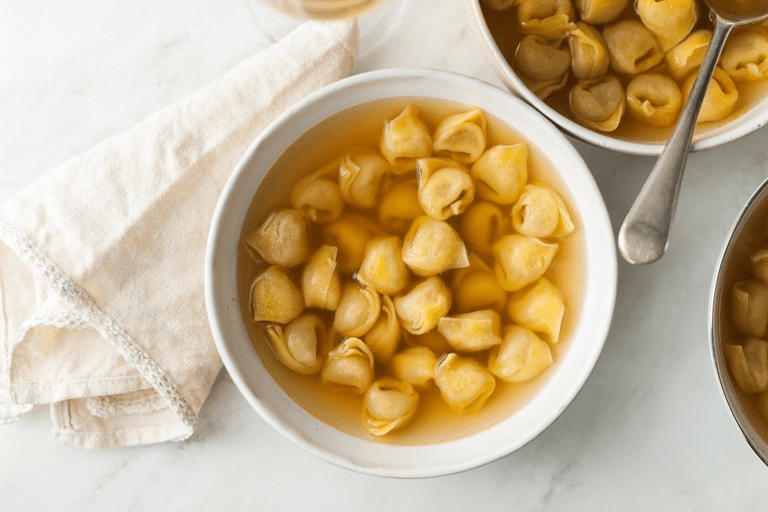
Tortellini in Brodo (Broth)

Ferragosto is celebrated in the summer making it so the food that is served is less pasta based. The food is a little lighter and the main focus is spending time with family and having a little holiday. Pasta dishes are served but none that I could find are traditional to the holiday. For New Years Eve a lot of regions will have risotto or tortellini/cappelletti in broth. Much like other places around the world, New Years Eve is celebrated with lots of smaller dishes of food rather than a large main course.

Olive Oil Tasting

Ciao! As you may have heard my study abroad program in Italy has been cancelled, but we are still continuing our classes. Before we left we did an olive oil tasting, we tried three different oils at three different price points to see the differences in flavor and aromas. We tried the oils on their own and then we had some food that was prepared with the different oils to see if we could taste a difference.

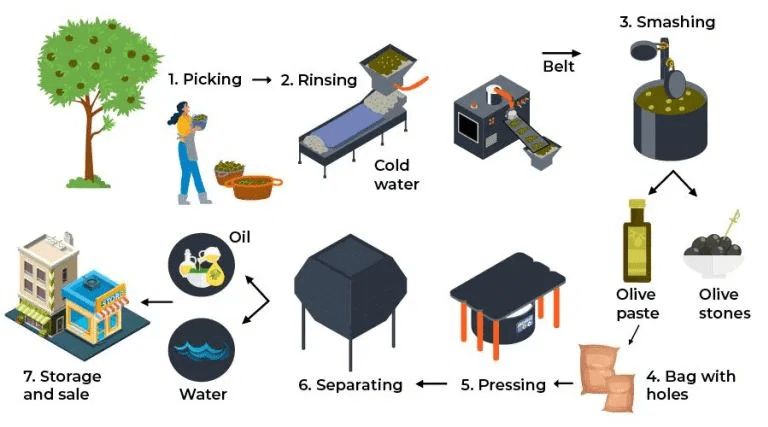
To do the tasting we first would smell the oil and try to describe what the aroma was. Next, we would warm the oil in our hands by rubbing the cup it was in. Doing this would intensify the aroma of the oil making it clearer what the taste was going to be like. Finally, to taste we would pour a little bit into our mouths. The proper method of trying the oil is to slurp the oil noisily, as drawing in air heightens the flavor of the oil. After, we would all discuss what we thought of it and we would try to identify the different qualities in the oil. Between trying different oils you should cleanse your palette, at our tasting we used apple slices, you can also use bread. Professionals will present the oil in blue colored glasses, the color of the oil does not affect the taste at all. Presenting them in a colored glass eliminates the possibility of unintentionally judging the oil based on the color. Here is a link to an article describing the process of making olive oil, the article is pretty detailed. We got the general idea of making olive oil but we were supposed to go to an olive orchard to get a better idea and see it in action. Below is a basic diagram of the production of olive oil.

Process of making olive oil from the harvesting to the sale stage

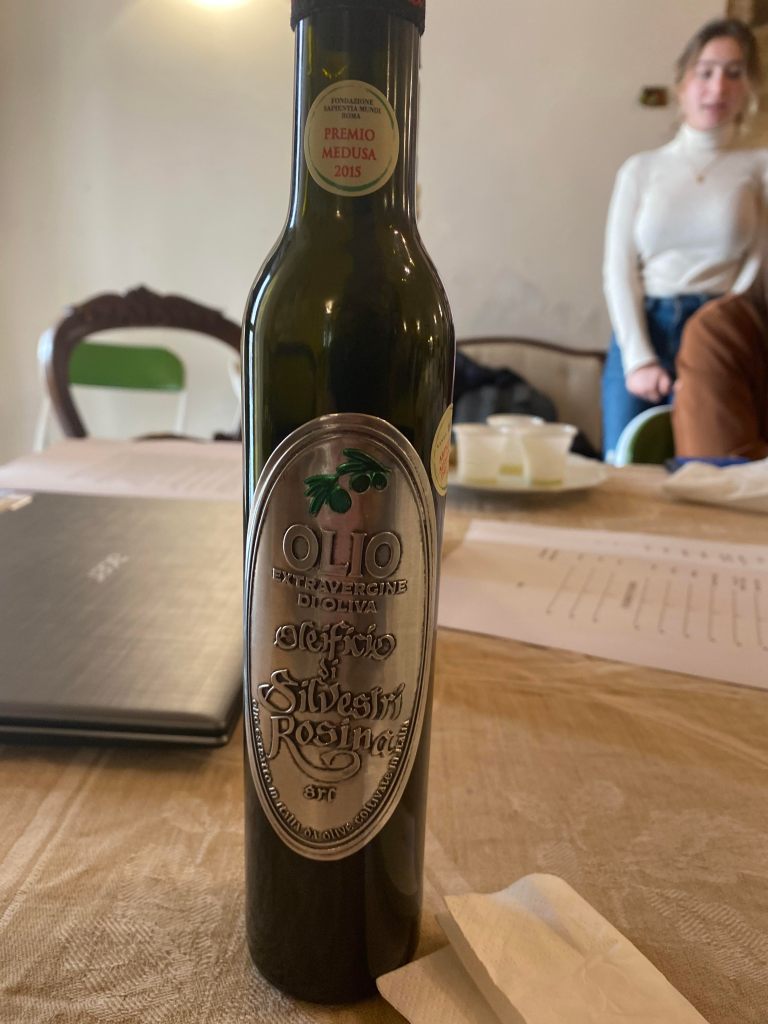
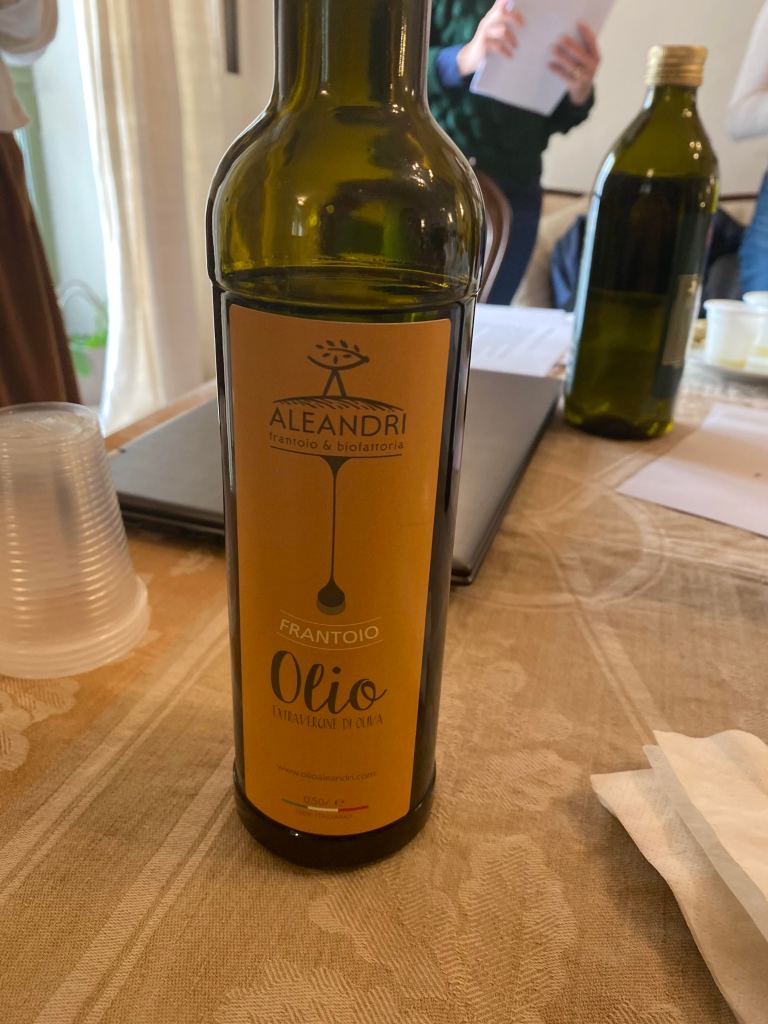
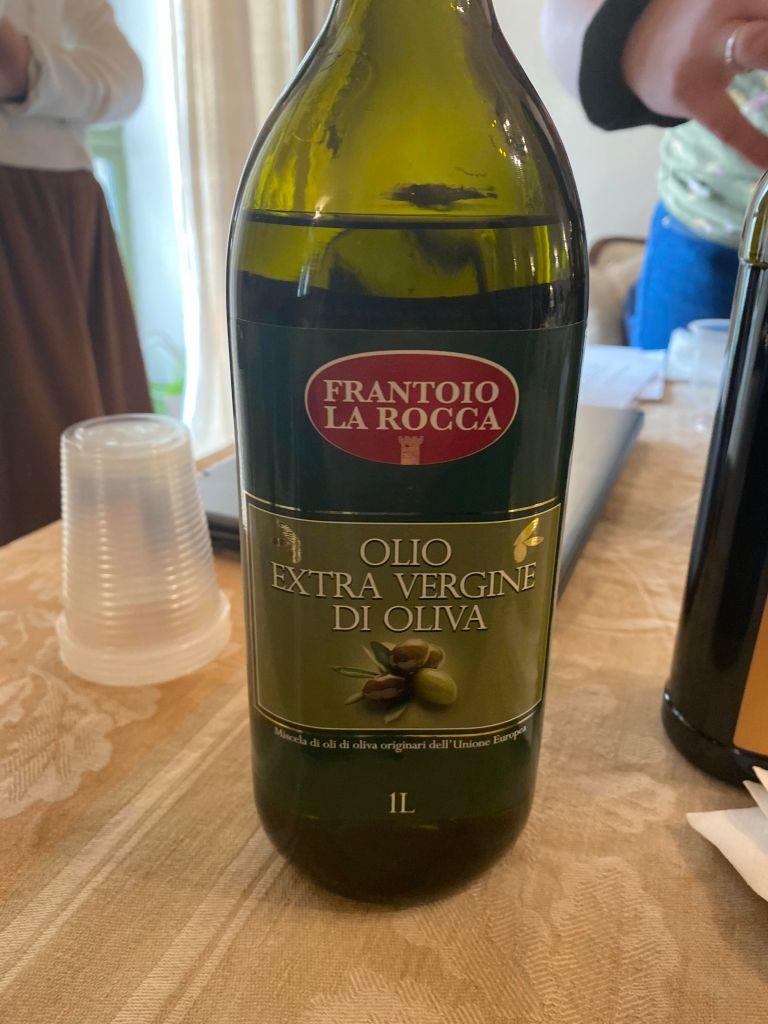
The first oil was Oleificio Silvestri Rosina. This oil was the most expensive one we tried with the price point being 9 euros for a 1/4 liter. The oil had a strong tomato and grass smell, as for the taste we described it as fruity and bitter. The second oil we tried was Olio Monovarietale di Frantoio. This was the middle range of the three that we tried and cost 10 euros for a 1/2 liter. This oil had a sweet taste of almond and had both bitter and pungent qualities which were positive attributes. The last oil we tried was the worst one. This oil was from Frantoio La Rocca and was 3.99 euros for a full liter (we had this oil in our kitchen due to the price.) This oil was a blend and would use olives that were either ripe or not it didn’t really matter. Due to this, it had a fusty, musty, and sour smell and taste to it. This was the worst one in my opinion and really had nothing positive about it. When we warmed it before trying it we could already tell it was not going to be great based on the smell.

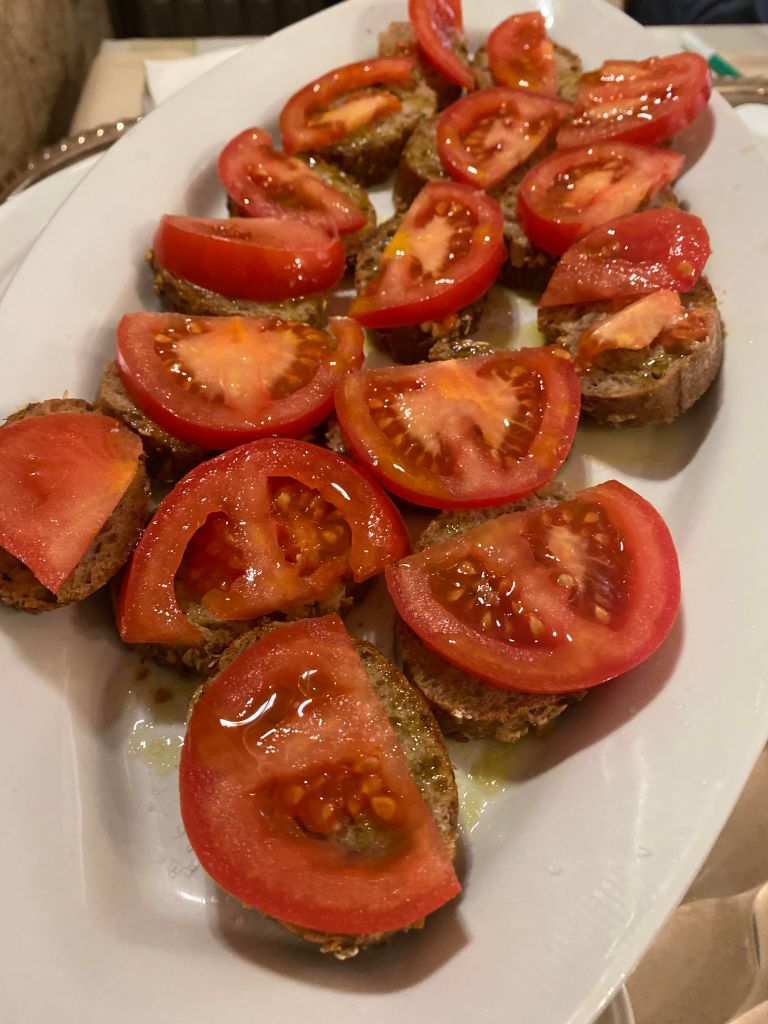
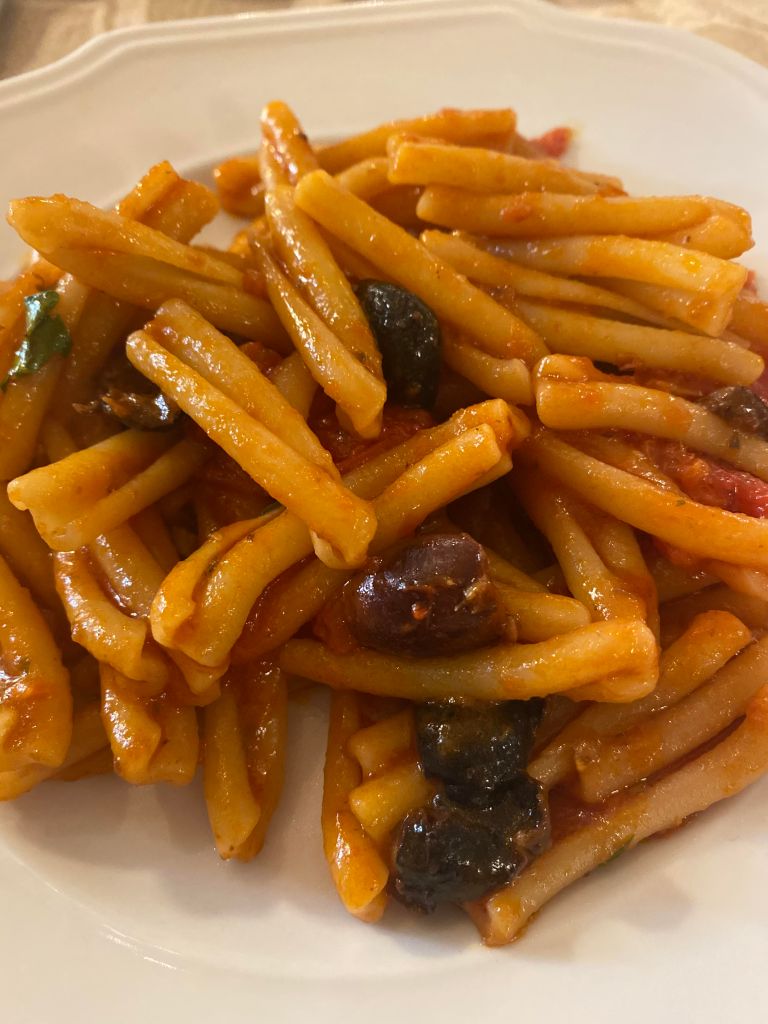
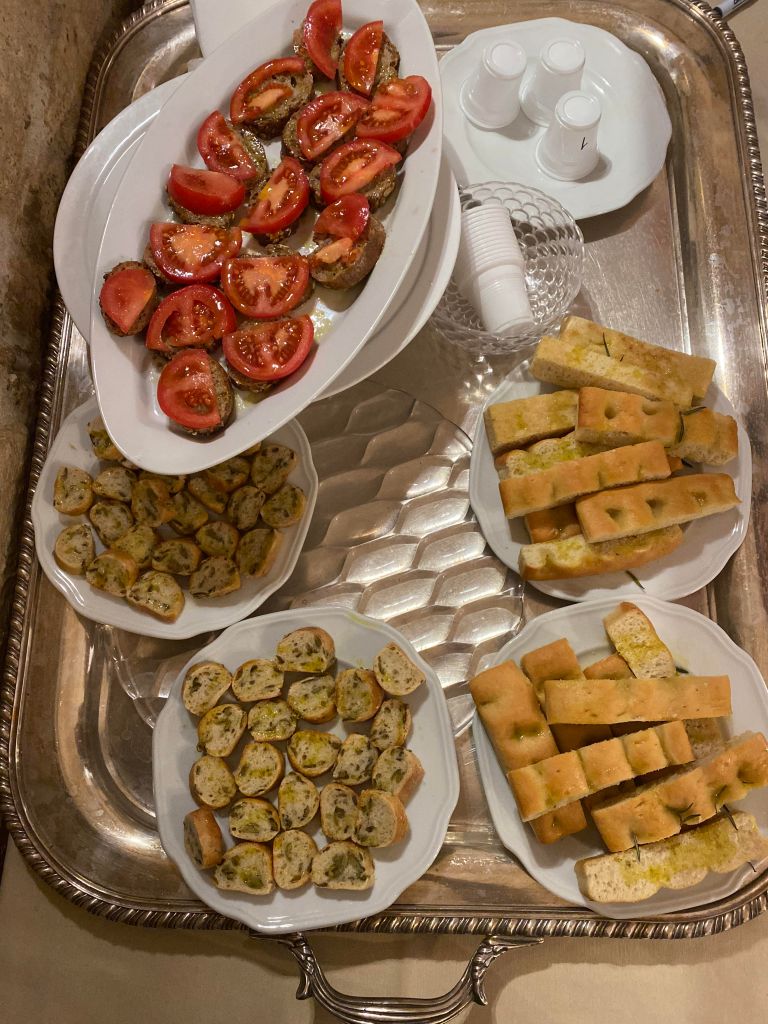
After the sampling of the oils we were treated to snacks that had been prepared with the two more expensive oils, and then we were given lunch that had the main pasta dish consisting of olives. Overall, this was a really interesting experience as we were able to learn a lot more about not only the production of olive oil but how to tell the difference between good and bad olive oil. Prior to this trip I completely despised olives, but after the sampling this day between the olives and the oils I can say I despise them a little less.

Flour Production in a Mill

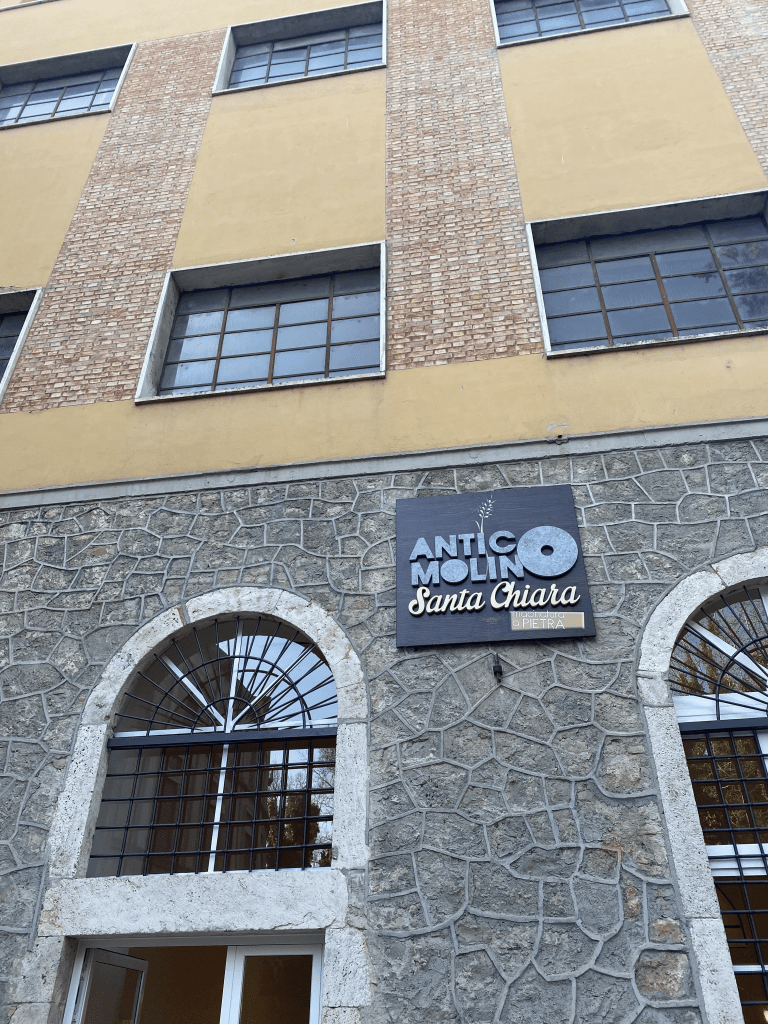
Hi everyone! This afternoon we visited the flour mill Antico Molino Santa Chiara, where we learned about the entire production of flour from the types of cereal/grain they use to how they process the different kernels into flour.

Entrance to flour mill

When we arrived in the mill, the owner Amedeo told us his family story about how his family got started working in the mill industry, along with how he re-opened the business and grew it to what it is today. The mill runs by using stone grinders to grind down the kernels into a fine powder. The stones that they use have been maintained over many years as it needs different scars to help the kernels break down into the fine powders. Here is a link to a site that details how stone grinders are used in a mill setting to make flour.

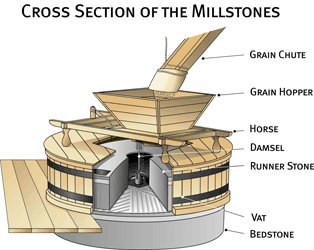
What the inside of a millstone looks like
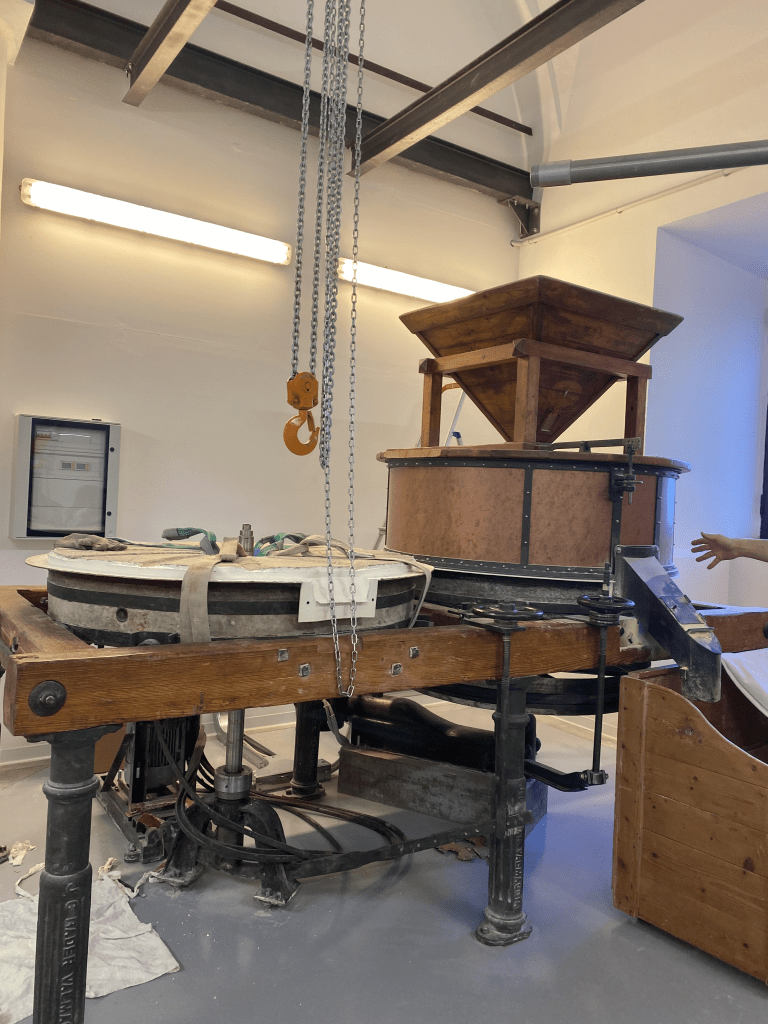
Mill stones where they make the flour

The kernels enter the millstone and are dispensed onto the bedstone through the damsel, here they are then grinded down by the runner stone making them into a very fine powder. The wheels as seen in the picture above controls how close together the two stones are, making them closer or further changes how coarse the flour gets. At the start of the process the grinding is not as fine as it needs to be, but it still exits the millstone. At this location they take the grains that are too big for flour and use them to feed chickens in the area.

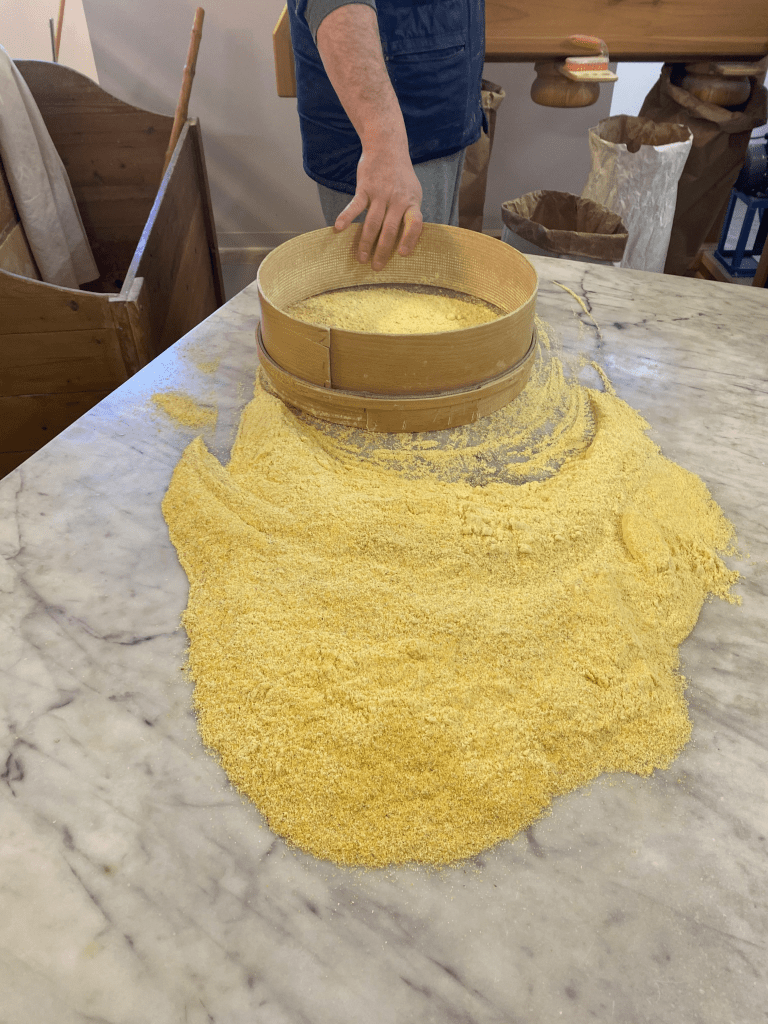
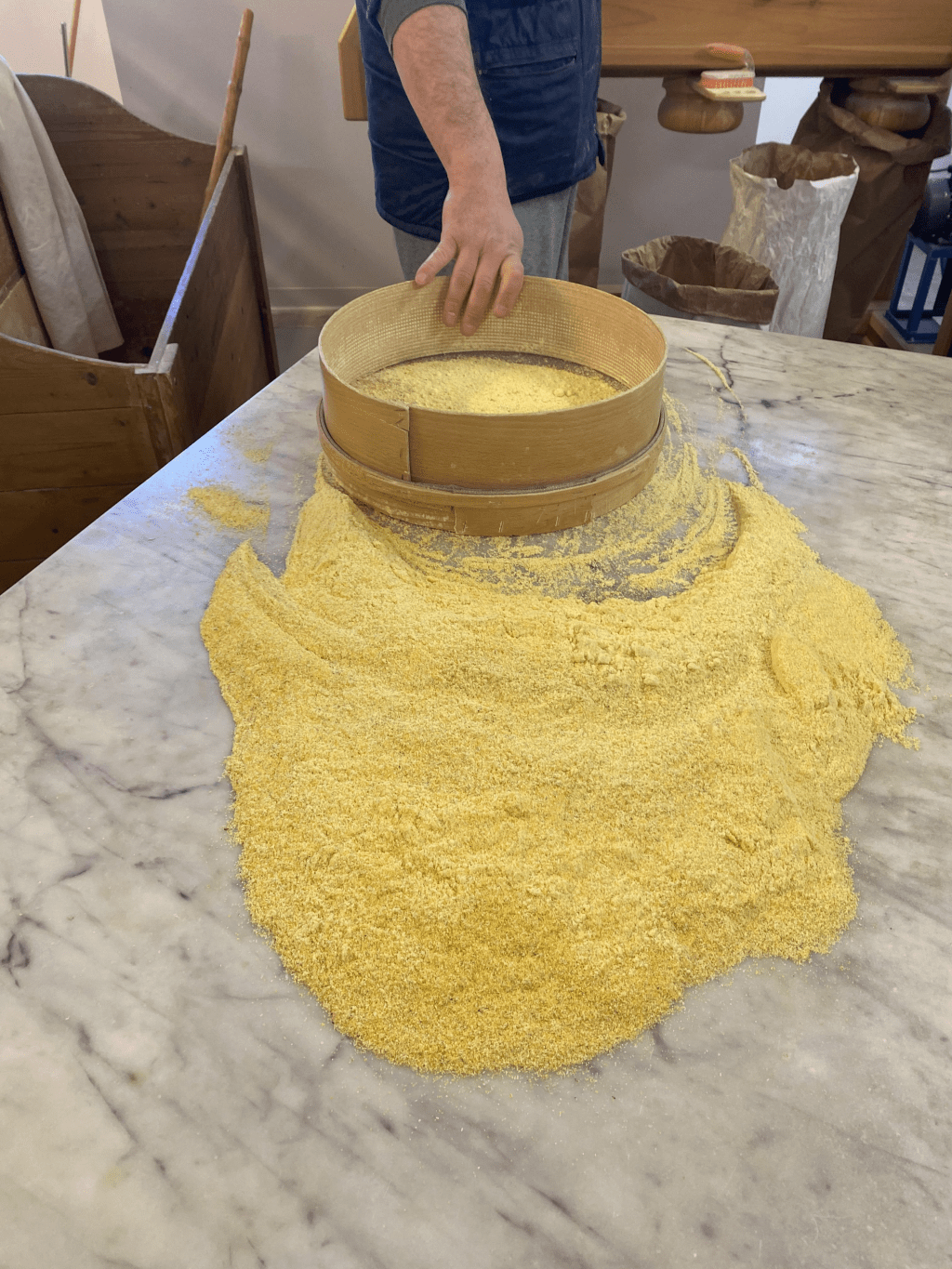
Manually sieving the flour

Only recently has the mill started to use a sieving machine to help sort the soft wheat flour, but other than that everything else is done by hand as it was done in the olden days. All of the grains are organic and are hand selected by Amedeo to ensure that they are up to the standard that he holds. There also are several types of flours that are available to purchase that are all ground in the mill.

This entire process was extremely fascinating to learn about as I have never seen a flour mill in production and really had no clue how the process worked. It was very fascinating to hear how much work went into grinding down the stones, and making sure that they have enough scarring on them to get the kernels to grind down to the level that is needed for the flours. I thought it was really cool that the company makes sure that they are using only the finest ingredients and they are very careful with what they are producing, ensuring that any extra parts gets recycled and disposed of in a way that isn’t creating waste. The small batches that they make helps to control the quality of the flours they are producing, which is definitely a major selling point. Here is the link to the website for the company we visited, the site is in Italian but your browser may be able to translate it if you are interested in reading more about the place.

Overall, I thought the trip here was super educational and really interesting as I was able to gain a better understanding of what was occurring within the machine itself and just how complicated a process it was that they have been doing for hundreds of years.

This next week we are heading to do an olive oil tasting which is going to be super interesting so stay tuned for that!

Ciao!

Pizza Making

Ciao Friends! Welcome to the first blog post about Italy!

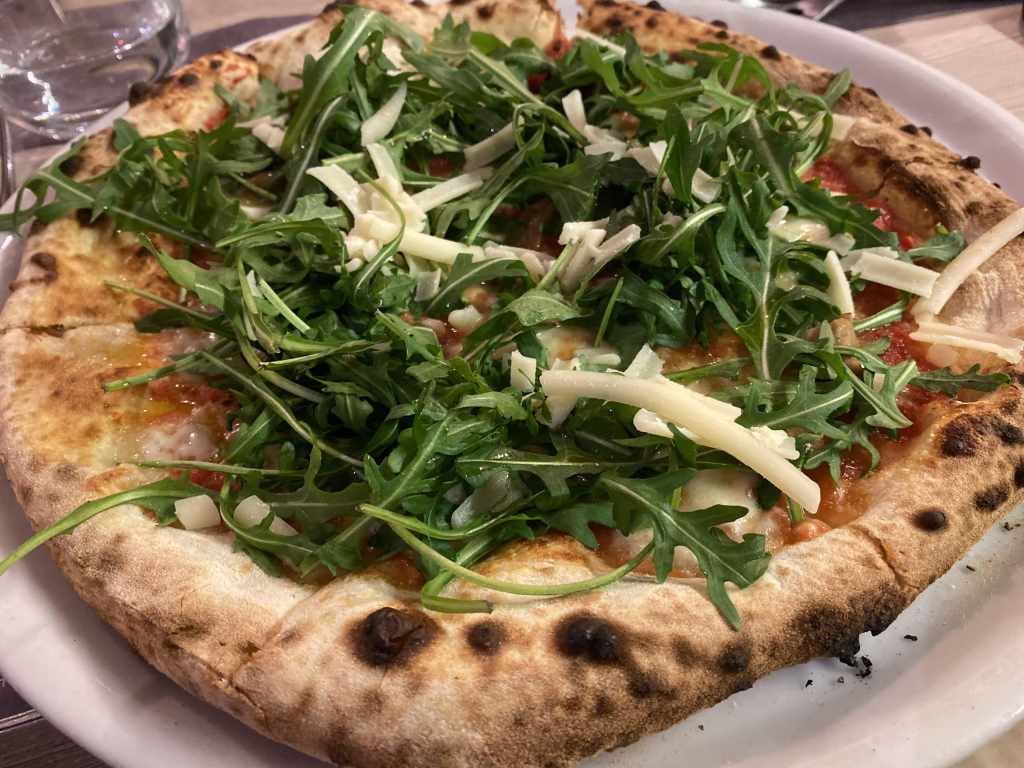
Final draft of the pizza that I made! This has eggplant, mozzarella, and arugula on it!

This past Tuesday, we took a field trip to a local Pizzeria in Ascoli Piceno called La Nicchia, here we learned how they make their dough, along with making our own pizzas from scratch! When we got to the restaurant we were told all of the specific measurements of the ingredients they use and why they use them, including the specific order that they are added in.

The Dough Ingredients:

  • 500 g Type 00 Soft Flour
  • 1 g Dry Bakers Yeast (or 3 g Fresh Yeast Block)
  • 300 g Water
  • 10 g Salt
  • 10 g Extra Virgin Olive Oil

The type of flour they used at the restaurant is a very soft flour that has been processed in a very specific way. The flour itself is Type 00 flour, it has been 50% sifted and it is the most refined as it comes from the inner most part of the grain. In Italy the flours are categorized based on how finely the flour has been ground, compared to the US where flours are categorized based on how much protein they contain. Italian flours have quite a few differences compared to the US as the US often will use highly processed parts during production. Due to this, the flour in the US may have a coarser feel to it and the gluten content may be higher. Here is a link explaining the differences better if you are interested in reading more! And this link goes more into detail about specifically type 00 flour.

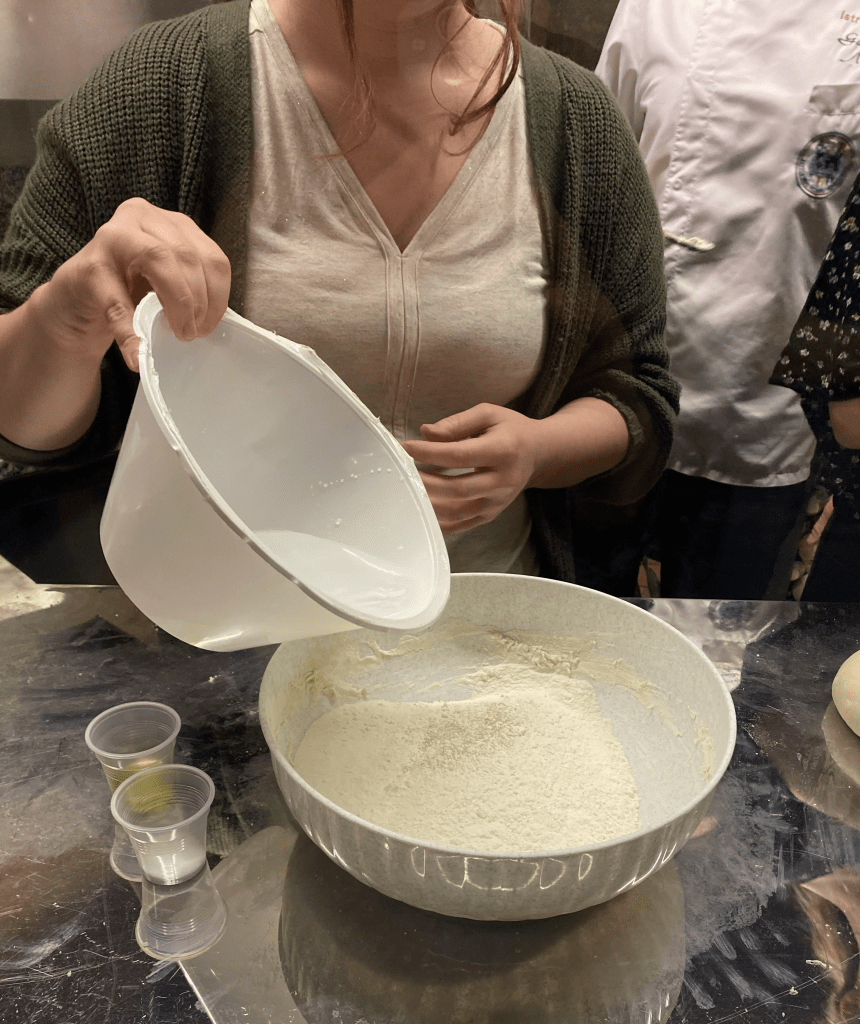
Adding water to the flour and yeast.

Making the dough was a really easy process. We started by weighing out 500 grams of flour. Weighing out ingredients is the best way to achieve accurate measurements. After the flour was weighed we added in 1 gram of yeast. We used dry bakers yeast, but you can use fresh yeast you just have to use a bit more. We stirred the yeast and flour together before adding in 300 grams of water. After mixing this together we added in the 10 grams of salt, before starting to use our hands to knead the dough. The 10 grams of extra virgin olive oil was added last and this was a crucial part of making the dough according to the chef. He also said that if you aren’t using extra virgin olive oil to just throw out the dough as it is no good! Take from that what you will!

Starting the kneading process

Next we kneaded the dough. The process of kneading the dough relied on using the base of you hand and stretching the dough from the center out. The process requires a lot less force than what you would expect. Here you were looking for the dough to get combined and to get the proper consistency that was determined by the chef.
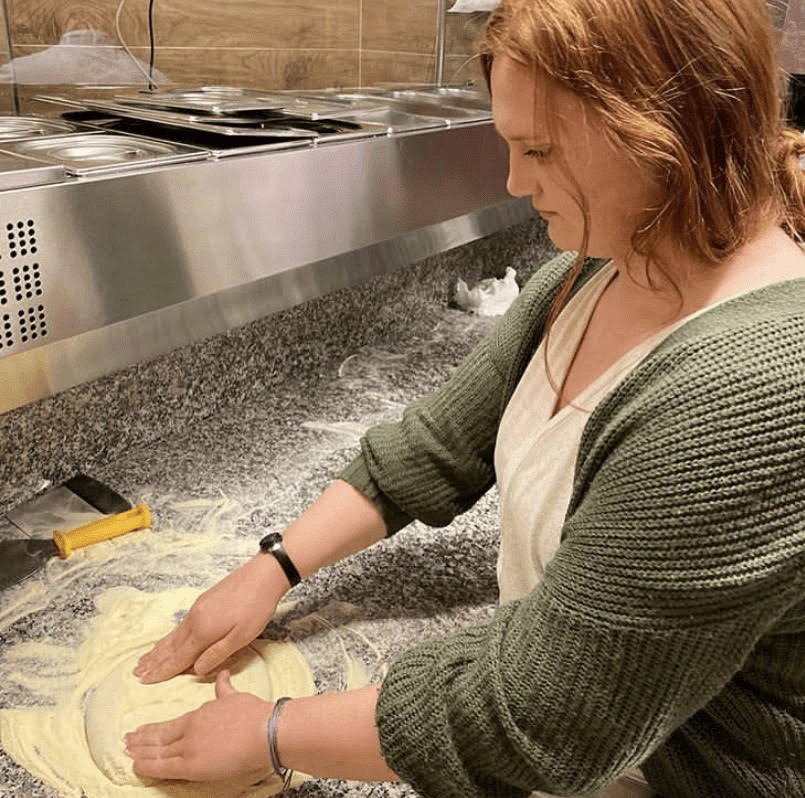
Shaping the dough by pressing it out in a circular motion.

When we finished forming our dough we let it sit before placing it in a bag and putting it in the fridge where it chilled for the rest of the time we were at the restaurant. To use the dough you let it sit for 3 hours and then it is good to go. We ended up using some dough that they had already made to shape and form our own pizzas. To shape the dough we pressed the dough down in a flat circle, before we moved it onto a mound of flour and slowly moved it out by pressing it out with the edge of our hands. We did this until we got the shape that was desired. The next step was moving over to the sauce and the toppings before the chef put the pizza in the oven to cook. The pizza took about 3-4 minutes as it was in an oven that was close to 900 degrees Fahrenheit!

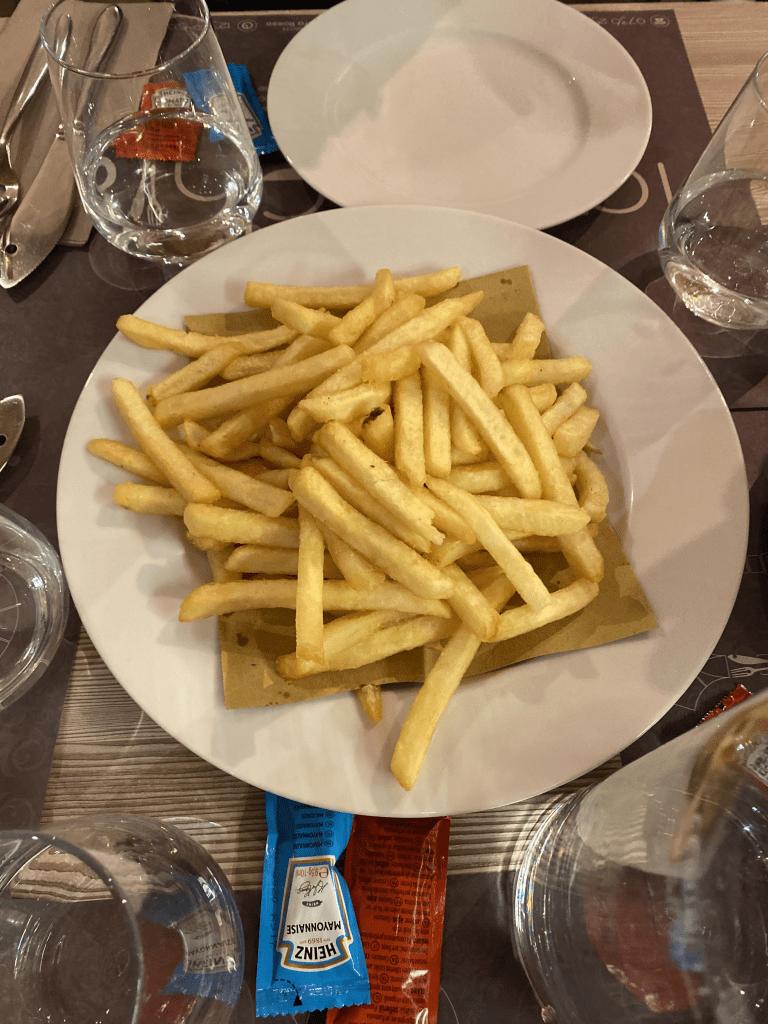
The appetizer french fries, served with mayo and ketchup.

Something interesting that we learned is that a typical appetizer for pizza that Italian’s eat is french fries. We all thought that it was a little different but were quite happy to have them. Another thing they do is use both mayo and ketchup when eating the french fries. We also thought it was a little unusual compared to the US typically only giving ketchup.

Overall, I thought the experience at the pizzeria was amazing. Not only did we get the recipe and knowledge from a local Italian cook, but we were also able to eat some incredible food!

Thanks for reading! Ciao!

Design a site like this with WordPress.com
Get started